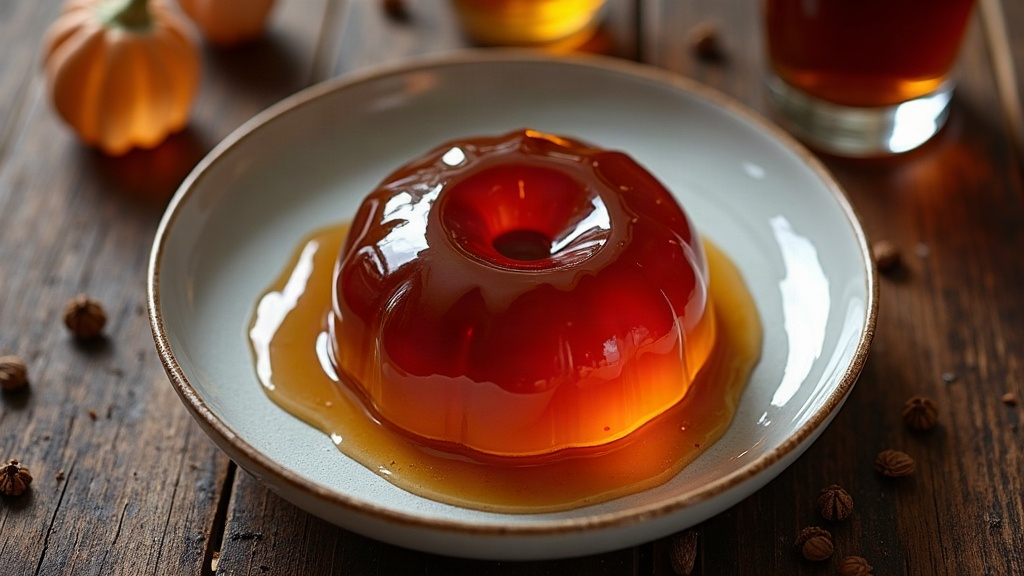
As collagen naturally changes with age, more women are exploring how gelatin — a traditional, protein-rich ingredient — fits into everyday nutrition and satiety habits.
Somewhere in the last few decades, the conversation around women’s metabolism started skipping over some very real, very physical shifts. Here is what tends to go unspoken.
Research on skin and connective tissue suggests collagen production can start slowing gradually in a woman's late twenties, long before it becomes visible. Gelatin, derived from collagen, is one of the ingredients women are learning about in this context.
The way fullness is communicated between gut and brain can change over time, making traditional portion habits feel less reliable than they once did.
Muscle and connective tissue naturally reorganize across adulthood, which is part of why body composition conversations rarely have one-size-fits-all answers.
Most mainstream diet frameworks were developed decades ago, often without accounting for the specific physiological patterns unique to women's bodies.
Some ideas about women’s metabolism have been repeated so often they start to sound like fact. A closer look tells a more nuanced story.
Metabolism only slows down after 40.
Metabolic shifts are gradual and can begin influencing energy and appetite patterns much earlier, shaped by many overlapping factors.
All protein sources affect fullness the same way.
Different proteins interact with digestion and satiety cues differently; some, like gelatin, are studied for their specific amino acid profile.
Cutting calories is always the missing piece.
Nutrition education increasingly looks at habit consistency and ingredient quality, not calorie counting alone.
Rather than another restrictive plan, this is about how small, consistent choices are being reconsidered.
Understanding where satiety and energy dips happen during the day is the starting point for any honest habit conversation.
Small, repeatable additions to a routine — like a warm gelatin-based drink — are often easier to sustain than dramatic overhauls.
Tracking how the body responds over weeks, not days, is how many women build a clearer picture of what actually fits their routine.
Long before powders and capsules lined store shelves, grandmothers were simmering bones and connective tissue into broths and gelatin desserts — a practice rooted in using every part of an ingredient. Gelatin, the cooked form of collagen, has quietly held a place in traditional kitchens across cultures for generations, valued less as a trend and more as a practical, protein-rich staple passed down through everyday cooking.
The insight worth sitting with: this isn’t a new discovery. It’s an old habit being re-examined through a modern, more educated lens.
When fullness doesn't last, it may be worth looking at overall protein intake and meal composition.
Skin that feels less resilient than it once did is often discussed in relation to collagen-related shifts.
Connective tissue changes are frequently mentioned alongside joint comfort conversations.
Where the body stores and carries weight can change independently of diet or exercise habits.
A midday dip is common, but a recurring pattern of it may point to broader nutritional habits worth reviewing.
Nail health is sometimes referenced anecdotally in connective-tissue and protein-related discussions.
Testimonials reflect individual opinions and experiences. They are not a guarantee of any outcome, and individual results may vary.
Hydrolyzed gelatin is gelatin that has been broken down into smaller peptide chains, which some people find easier to mix into liquids. It comes from the same collagen source as traditional gelatin.
No. This page is educational and discusses gelatin as an ingredient in the context of women’s wellness habits, without naming or endorsing any specific product.
This content does not make weight-loss claims. It discusses gelatin’s traditional use and its studied relationship to protein intake and satiety as part of general nutrition education.
Gelatin is derived from collagen through a cooking process. They share a similar amino acid profile, though their physical properties differ.
This educational content is intended for women interested in learning more about nutrition habits, protein sources, and traditional ingredients like gelatin.
Yes. Always speak with a qualified healthcare professional before making changes to your diet or wellness routine, especially if you have existing health conditions.
Gelatin is typically derived from collagen found in animal connective tissue, such as bones and skin, through a traditional cooking and extraction process.
Explore the free educational presentation to learn more about the traditional ingredient behind this growing conversation.
Advertising Disclosure: This is sponsored content and may contain affiliate links. We may receive compensation if you make a purchase or take action through links on this page. This helps support the content we provide at no additional cost to you.
Content Disclaimer: This content is provided for educational purposes only and has not been evaluated by the FDA. It is not intended to diagnose, treat, cure, or prevent any disease or health condition. Always consult a qualified healthcare professional before making changes to your diet, supplement routine, or lifestyle.
Results Disclaimer: Individual results may vary. Testimonials and experiences shared on this page reflect personal opinions and are not a guarantee of any specific outcome for any individual.
© 2026 jstreecareus.com · All Rights Reserved